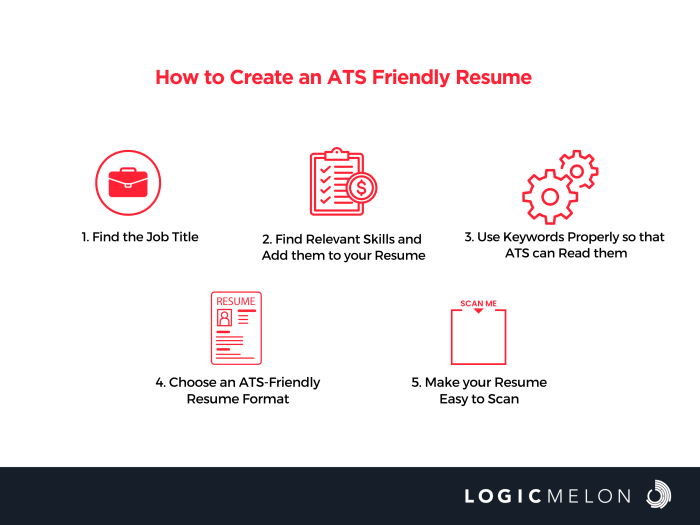
Welcome to the magical world of ATS-friendly resumes, where your job application dreams come true, provided you’ve sprinkled in a touch of pixie dust! Imagine a job market where your resume doesn’t vanish into a black hole of overlooked applications. An ATS-friendly resume is your ticket to staying relevant in the digital hiring jungle, ensuring the application tracking system (ATS) gives your qualifications a standing ovation instead of a silent treatment.
Essentially, crafting an ATS-friendly resume means understanding what makes machines tick (and what makes them glitch). It’s all about using the right format, avoiding common blunders that send your resume straight to the “nope” pile, and aligning your skills to the job description like a perfectly matched pair of socks—comfortable and complementary!
ATS-Friendly Resume Essentials
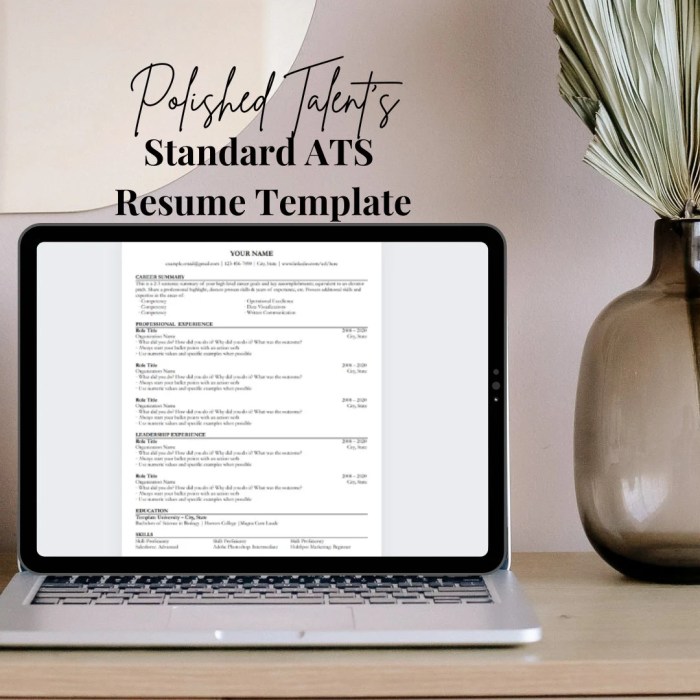
In today’s job market, a well-crafted resume is your ticket to landing that dream job. However, if your resume isn’t ATS-friendly, it might as well be written in invisible ink. Applicant Tracking Systems (ATS) are the gatekeepers of modern hiring processes, and they don’t have the time to decipher your artistic flair. Understanding the importance of an ATS-friendly resume can mean the difference between getting noticed and getting lost in the digital abyss.An ATS-friendly format is designed to be easily parsed by software systems that many companies use to filter job applications.
These systems look for specific s, structured data, and a clear layout. An ATS-friendly resume is not just about looking good; it’s about being understood by machines.
Characteristics of an ATS-Friendly Format
Creating a resume that pleases both humans and machines requires a blend of strategy and simplicity. Here are the key characteristics to keep in mind:
- Simple Layout: Use standard fonts like Arial or Times New Roman, and avoid fancy graphics or images that may confuse the software.
- s: Incorporate relevant s from the job description to ensure your resume matches what employers are looking for.
- Standard Headings: Use common headings like “Work Experience,” “Education,” and “Skills” to increase the chances the ATS will recognize and categorize your information correctly.
- No Tables or Columns: Avoid using tables or multiple columns, as they can confuse the ATS and lead to misinterpretation of your skills and experience.
- File Format: Save and submit your resume in a text-friendly format, typically .docx or .pdf, ensuring it maintains its integrity across different platforms.
Common Resume Mistakes That Hinder ATS Compatibility
Even the most qualified candidates can fall victim to ATS traps. Here are some common pitfalls that can derail your chances and how to avoid them:
- Using Uncommon Job Titles: Stick to industry-standard job titles that everyone understands; avoid creative titles that could confuse the ATS.
- Overly Complex Language: Simplicity is key; jargon may impress the human eye but can baffle the ATS.
- Neglecting s: Failing to use s specific to the job description can leave your resume ignored; sprinkle them thoughtfully throughout.
- Inconsistent Formatting: Use uniform font sizes and styles; inconsistencies can trip up an ATS, leaving it scratching its digital head.
- Misspellings and Grammar Errors: These may seem minor, but they can seriously undermine your professionalism; proofread carefully and use spell check!
“Your resume is like a first date; if it doesn’t make a good impression, there won’t be a second one!”
Crafting Effective Resumes and Cover Letters
Creating an engaging resume and cover letter is akin to serving the perfect dish at a five-star restaurant; it requires the right ingredients, a dash of creativity, and a sprinkle of personality. In a world where hiring managers are inundated with applications, a standout resume coupled with a captivating cover letter can make all the difference between landing that coveted interview or being tossed into the metaphorical bin of despair.
Let’s dive into the essential ingredients for crafting these vital documents with finesse.
Elements of a Compelling Resume Tailored for Business Presentations
A compelling resume is like a well-prepared presentation; it must be concise, visually appealing, and tailored to the audience’s expectations. Certain elements can elevate a resume from mundane to magnificent. Here are the key components to consider:
- Contact Information: Always ensure that your name is prominent, along with your phone number, email, and LinkedIn profile. After all, you want them to reach you, not send smoke signals.
- Professional Summary: A snappy, 2-3 sentence summary that highlights your key skills and experiences sets the tone for what’s to come. Think of it as your resume’s opening act.
- Experience Section: Tailor this to showcase achievements over duties. Use bullet points to state what you did, but make sure to sprinkle in quantifiable results—like “increased sales by 30%” instead of “responsible for sales.”
- Skills Section: Highlight specific skills relevant to the job. Use s from the job description to ensure the ATS doesn’t mistake your resume for a pizza menu.
- Education: Include your most relevant educational background. If you graduated with honors, flaunt it like a gold medal!
Aligning Resumes with Specific Job Descriptions in Various Industries
Tailoring your resume is not just a good practice; it’s an art form. Each industry has its own flavor, and recognizing this can help you align your resume appropriately. For instance, in the restaurant sector, you might want to emphasize customer service skills and experience working under pressure. Here’s a breakdown of how to align your resume based on various sectors:
- Hospitality Industry: Highlight teamwork, communication skills, and any experience in fast-paced environments. Mention specific roles such as “server” or “chef” to catch the eye of recruiters.
- Technology Sector: Focus on technical skills, relevant projects, and certifications. Use nerdy buzzwords like “Agile” or “machine learning” liberally; they love that stuff!
- Finance: Showcase analytical skills, financial modeling experience, and relevant software proficiencies. Numbers are your best friends here—don’t shy away from them!
- Healthcare: Emphasize compassion, patience, and teamwork. Mention any certifications or relevant training, like CPR or first aid, since it shows you can handle emergencies (and awkward family dinners).
Writing Cover Letters to Complement ATS-Friendly Resumes
Your cover letter is the sidekick to your resume’s superhero. It provides an opportunity to showcase your personality and explain how your experiences align perfectly with the role. To ensure your cover letter is not just fluff, consider the following:
- Greeting: Use a personal touch by addressing it to the hiring manager. If you can’t find their name, “Dear Hiring Manager” works, but it might lack the pizzazz of an actual name.
- Opening Paragraph: Start with a hook! Mention how you found the position, express excitement, and introduce yourself briefly.
- Body Paragraphs: Use this space to connect your experiences to the job description, demonstrating not just what you’ve done, but how it relates to the employer’s needs. Include specific examples and achievements—like seamlessly managing a team and increasing efficiency by a dazzling percentage.
- Closing Paragraph: Reiterate your enthusiasm and include a call to action, such as expressing your eagerness to discuss your qualifications further.
“Your cover letter should be as unique as your fingerprint and as irresistible as the aroma of fresh-baked cookies.”
Business Productivity and Resume Optimization
Creating a resume or cover letter can sometimes feel like preparing for a triathlon: a mix of sweat, tears, and overthinking about what to wear (spoiler alert: it’s not about the spandex!). However, optimizing the process can transform this daunting task into a productive sprint. Let’s dive into strategies that not only amp up your productivity but also ensure your documents are sparkling and ATS-friendly!
Strategies for Enhancing Productivity
Being productive while crafting your career documents is crucial. Here are some effective strategies to streamline the process and save your sanity:
- Set Clear Goals: Define what you want your resume to achieve. Whether it’s landing interviews or showcasing specific skills, clarity is key.
- Utilize Templates: Templates can save time and help maintain structure. Choose templates that suit your industry to enhance visual appeal.
- Break It Down: Tackle one section at a time. Focus on work experience, then skills, followed by education. It’s like assembling a sandwich—start with the bread, then layer on the goodness!
- Use Bullet Points: They’re your friends! Bullet points make information digestible and quick to read, especially for busy hiring managers.
- Establish a Routine: Set aside dedicated time for writing and stick to it. Consistency breeds productivity, much like a daily coffee habit (but healthier!).
Comparison of Resume Templates for Sectors
Selecting the right template can be the difference between a resume that shouts “hire me!” and one that whispers “I’m just here.” Here’s how different templates fit the small business and retail sectors:
- Small Business: Opt for a clean and professional template that allows for personalization. This shows your understanding of their unique culture while maintaining professionalism.
- Retail: A straightforward, visually engaging template works well here. Use bright colors sparingly to reflect the vibrant nature of retail, while keeping essential information easy to spot.
Key Skills and Experiences for Specific Roles
When tailoring your resume for roles like sales management and risk management, highlighting the right skills and experiences is essential. Below are key areas to emphasize:
- Sales Management: Focus on achievements in revenue generation, team leadership, and customer relationship management. Metrics such as “increased sales by 30% in Q3” can grab attention.
- Risk Management: Highlight analytical skills, problem-solving abilities, and experience with compliance. Mentioning specific frameworks or methodologies you’ve employed can convey expertise.
“Your resume is a marketing tool that sells your professional brand.”
Incorporating these tips not only elevates your productivity but also ensures your resume or cover letter captures the attention it deserves. So, unleash your inner resume ninja and start crafting with confidence!
End of Discussion
So there you have it, folks! Your guide to creating an ATS-friendly resume that could charm the pants off any hiring manager (well, metaphorically speaking). By avoiding pesky resume pitfalls and employing strategic formatting, you’re not just writing a document; you’re launching a career missile aimed straight at your dream job. Now get out there and let your resume do the talking—after all, it’s time to shine!
FAQ Section
What is an ATS-friendly resume?
An ATS-friendly resume is designed to be easily read by Applicant Tracking Systems, ensuring your qualifications are recognized by the software that screens applications.
Why is formatting important for ATS?
Formatting affects how ATS parses your resume; complex designs can confuse the software, causing it to misinterpret or ignore your information.
Can I use graphics in an ATS-friendly resume?
Typically, it’s best to avoid graphics and images, as ATS may not read them correctly, potentially leading to lost information.
How do I optimize my resume for a specific job?
To optimize your resume, tailor the content to include s and phrases from the job description that align with your skills and experiences.
Do cover letters need to be ATS-friendly too?
Yes! Your cover letter should also be ATS-friendly, using proper formatting and relevant s to complement your resume.


